

Virtua Fighter
Yu Suzuki, mastermind behind Sega's AM2 team, decided that, in the midst of developing Virtua Racing, the next great 3D game should feature people as the main characters. The pit crew in Virtua Racing actually ended up being a test for implementing humans into a 3D world. The next step, however, would do more than show people with six-sided heads.
The decision was made to make a one-on-one fighting game to showcase these people in 3D. Sega's Model 1 technology was used, as it was in Virtua Racing. Work began and continued. In 1993, the final product, Virtua Fighter, was released in the arcade.
Virtua Fighter attracted people with its (then) amazing graphics. But the game was not all about eye candy, as it contained extremely deep and strategic gameplay to compliment the visuals.
Story
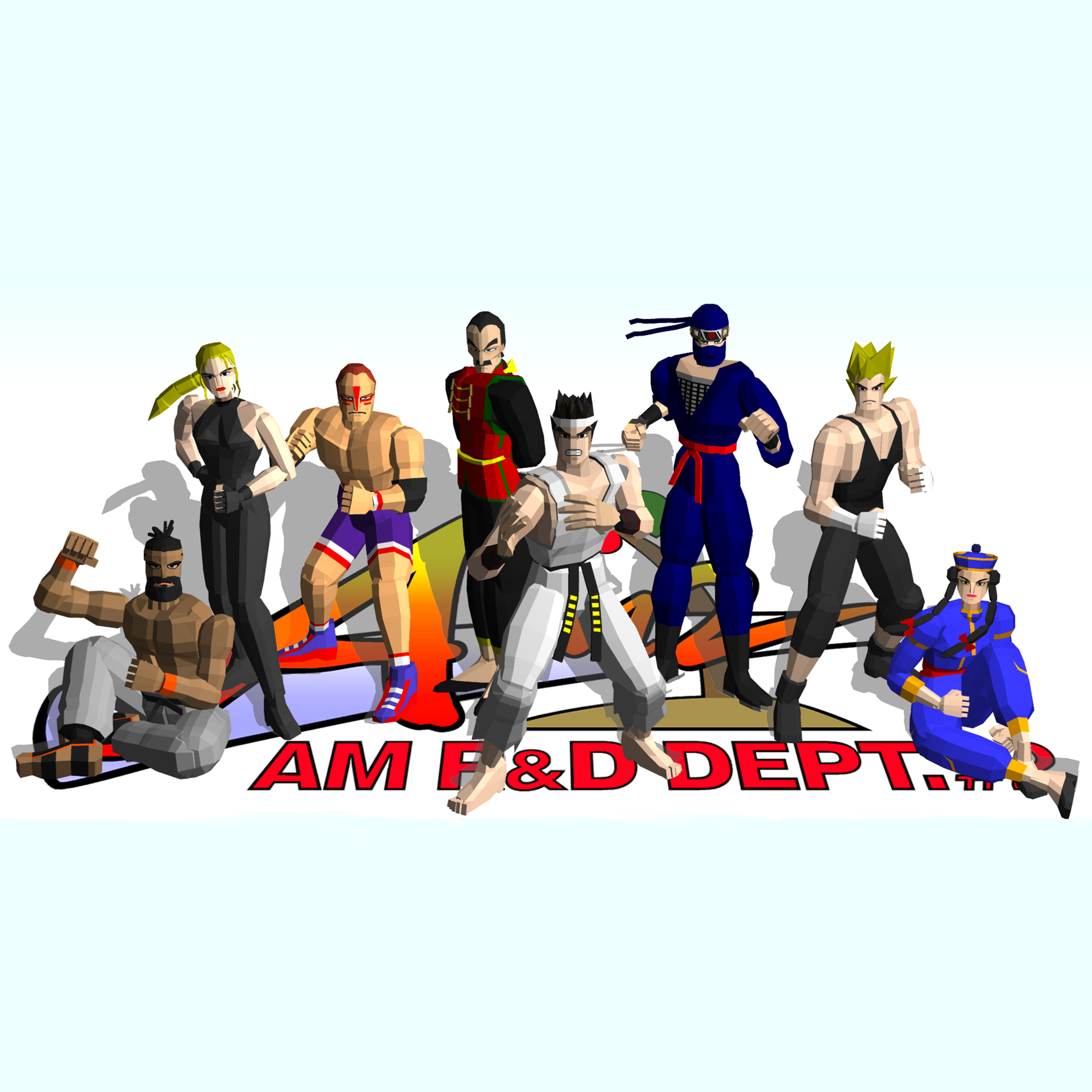
Once in the Era of Shows, the defunct Japanese Army intended to approach Henry Pu-yi, the last Emperor of the Ching dynasty, in their effort to take advantage of his position. However, they were defeated by the Imperial Guards utilizing the martial art called "Hakkyoku-ken." Later on, the Japanese Army is said to have plagiarized the mysteries of "Hakkyoku-ken" to create the strongest infantrymen and, based on this art, completed the ultimate martial art. Approximately half a century has elapsed since then and now a young man, Akira Yuki, goes on his fighting tour to test his ability. The ultimate World Fighting Tournament is now to start and all kinds of fighters from all over the world, solely relying on one's physical strength, engage in a life-and-death struggle to determine the world's number one fighter. Behind the tournament, however, there exists an intrigue designed by the evil Syndicate.
Gameplay
Control is amazingly simply, using only three buttons and an eight-way stick to control the characters. Buttons are used to punch, kick, and guard, while the stick controls jumping, crouching, and lateral movement. One of the Virtua Fighter series trademarks, the floating jump, is seen here in all of its glory.
Characters
 Akira Yuki
Nationality: Japanese
Date of Birth: September 23, 1968
Age: 26
Occupation: Kung fu Instructor
Hobby: Kung fu
Technique: Hakkyoku-ken
The only person to whom the ultimate martial art (based off of the Chinese "Hakkyoku-ken" which the defunct Japanese Army plagiarized) is handed down. To test his ability, he is on the fighting tour throughout the world.
(Editors Note: Akira's martial art is Bajiquan, though called Hakkyokuken in Japan. While not seen in combat sports, it's still used by police and bodyguards in parts of Thailand and China.)
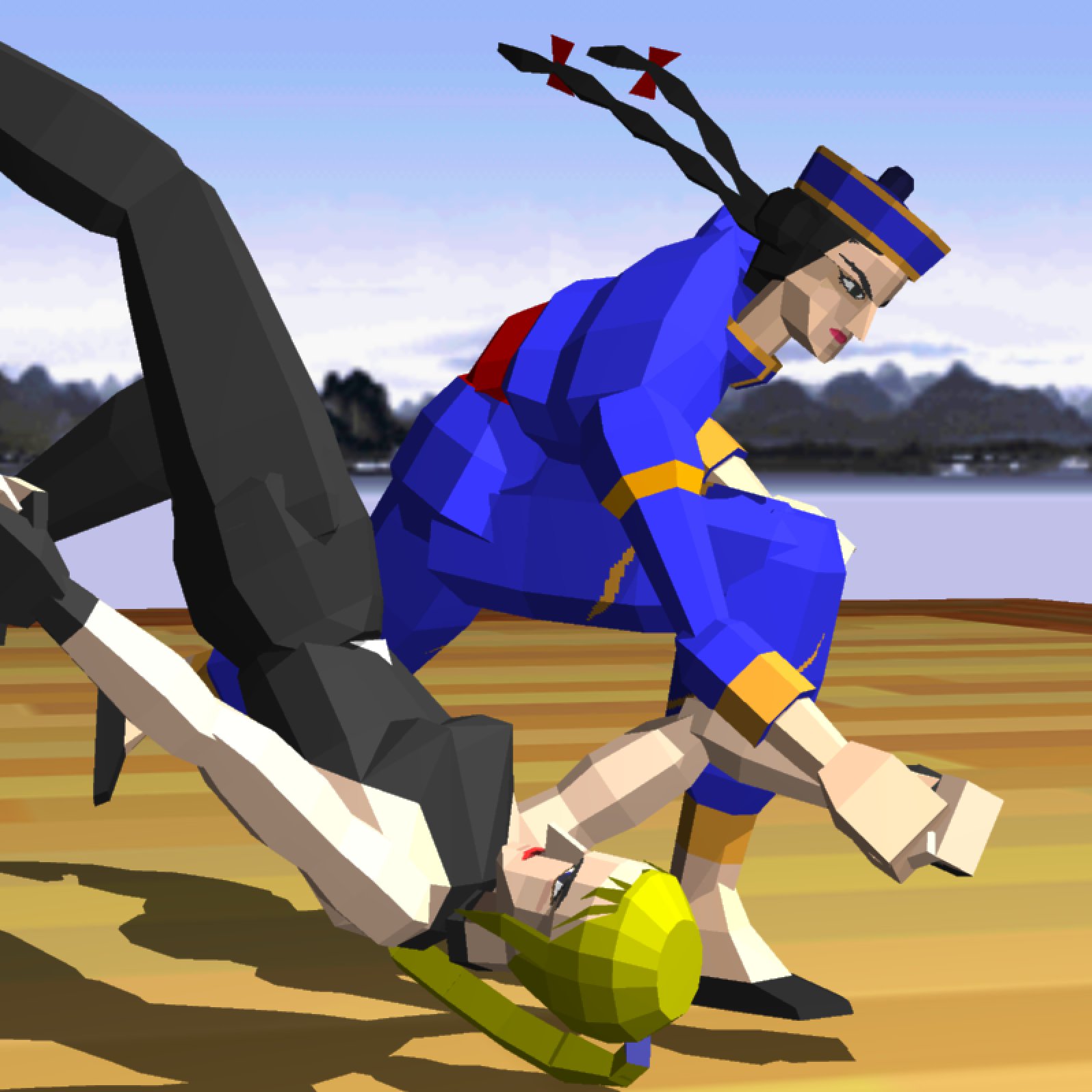 Pai Chan
Nationality: Chinese (Hong Kong)
Date of Birth: May 17, 1975
Age: 19
Occupation: Action Film Star
Hobby: Dancing
Technique: Ensei-ken
She is an action start of Hong Kong and hates her father (Lau), who has been at the pursuit of his own ideas at the sacrifice of his family. Also, Pai challenges her father to a fight.
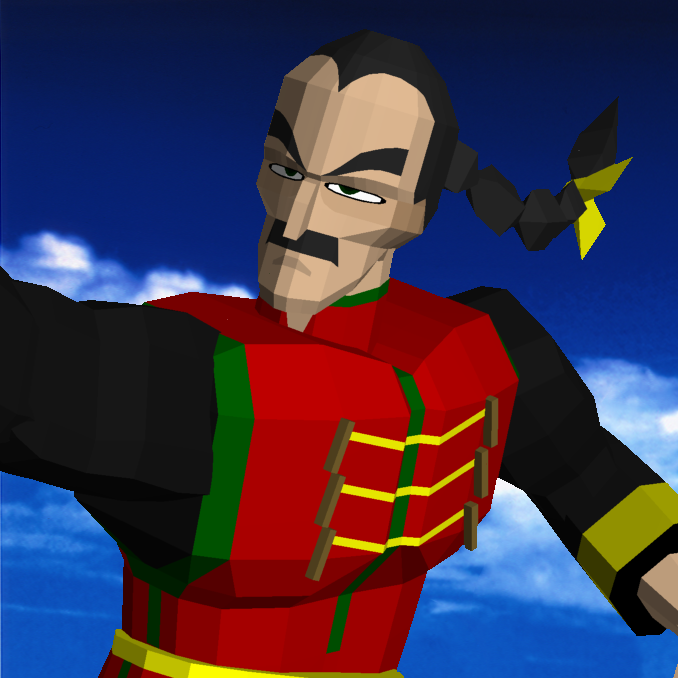 Lau Chan
Nationality: Chinese
Date of Birth: October 2, 1940
Age: 54
Occupation: Cook
Hobby: Chinese Poetry
Technique: Koen-ken
Lau is said to be the world's best chef and the greatest fighter. He intends to prove that Chinese "Kenpo" is the ultimate fighting art.
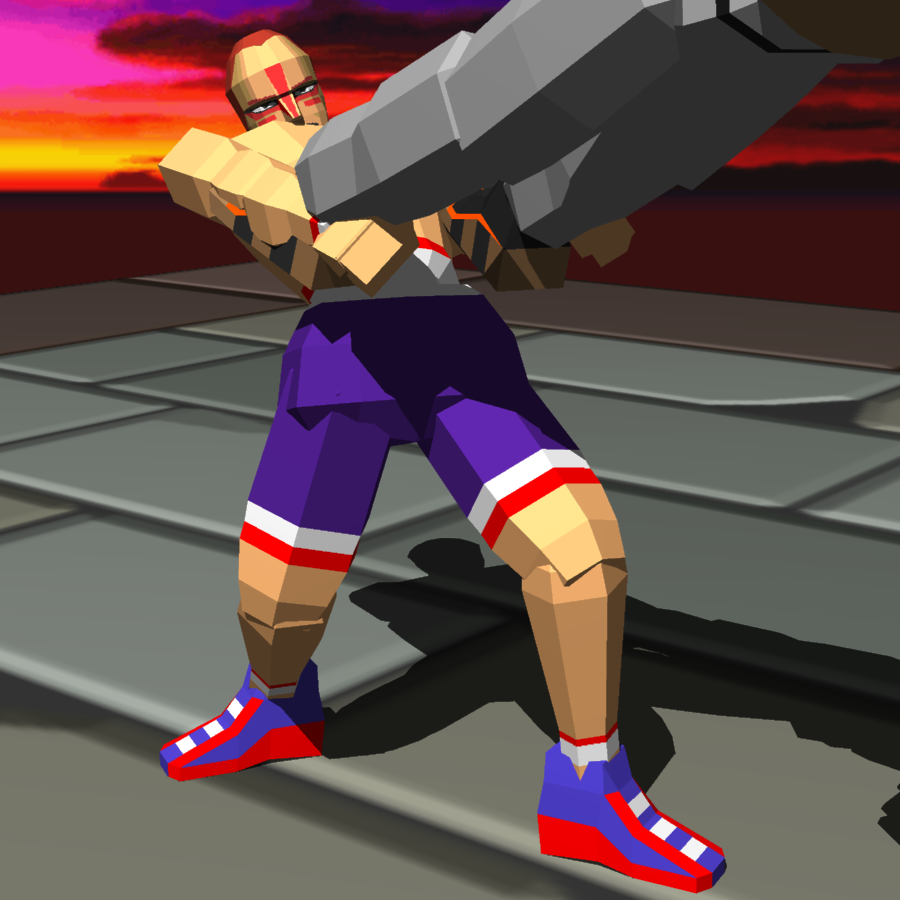 Wolf Hawkfield
Nationality: Canadian
Date of Birth: February 8, 1966
Age: 28
Occupation: Pro Wrestler
Hobby: Karaoke
Technique: Pro Wrestling
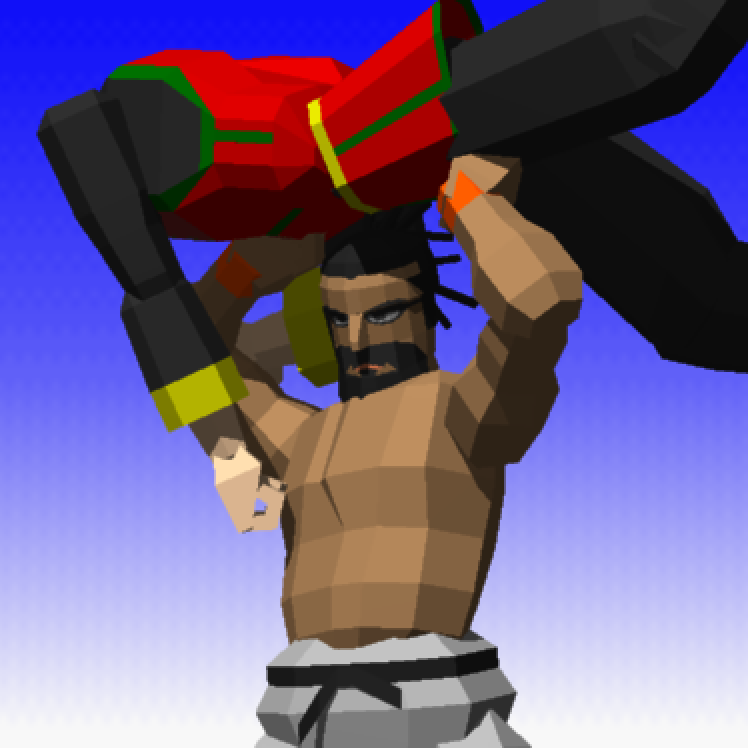
An indigenous Canadian descendant, this wood-cutter turned pro-wrestler with Hurculean strength boasts that he has never been defeated ever since his debut.
 Jeffrey McWild
Nationality: Australian
Date of Birth: February 20, 1957
Age: 37
Occupation: Fisherman
Hobby: Reggae Music
Technique: Pancratium
A fisherman whose boat was destroyed by a brutal man-eater shark. While improving his Pancratium technique in order to down the shark, he fights to earn him the shipbuilding expenses.
 Kage-maru
Nationality: Japanese
Date of Birth: June 6, 1971
Age: 24
Occupation: Ninja
Hobby: Mah-jongg
Technique: Hagakure-ryu Jujutsu
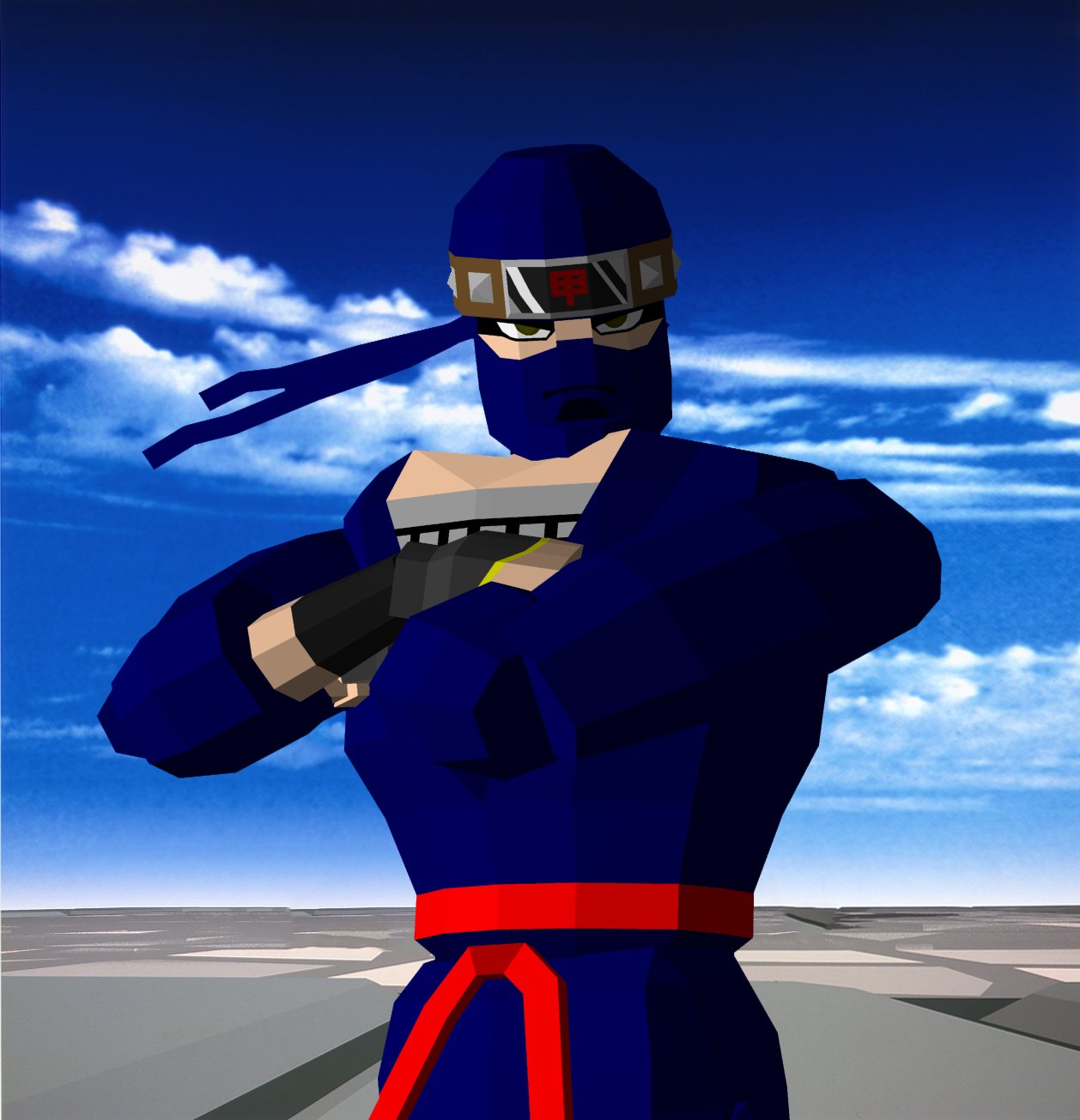
Kage, whose specialty is jujutsu, is on his fighting tour throughout the world in order to annihilate the evil Syndicate that took his mother away and killed his father, a former Ninja.
 Sarah Bryant
Nationality: American
Date of Birth: July 4, 1973
Age: 21
Occupation: College Student
Hobby: Skydiving
Technique: Jeet Kune Do
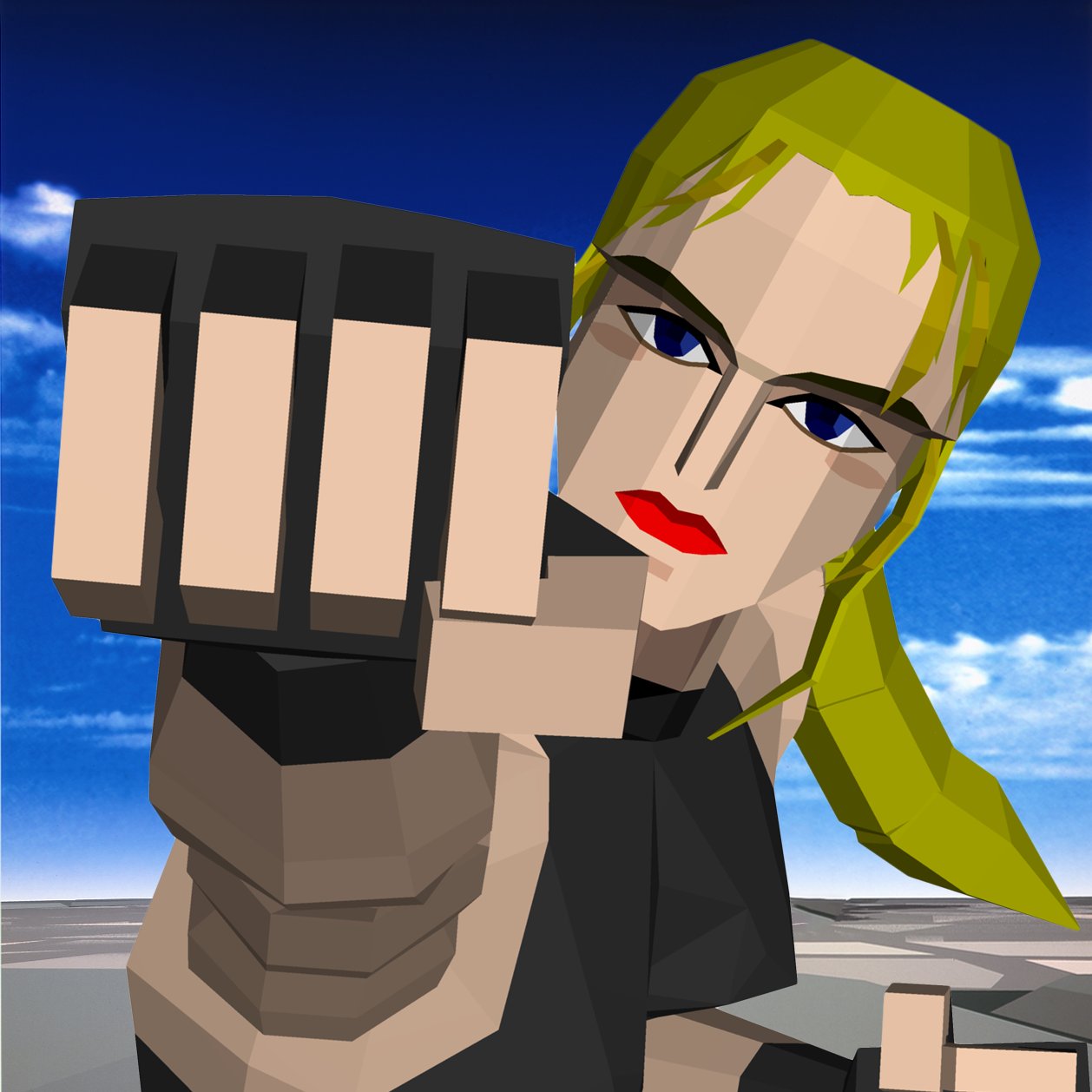
While investigating the car accident in which her brother was injured, Sarah is captured, hypnotized and brainwashed by the Syndicate in their evil intention to have her kill Jacky.
 Jacky Bryant
Nationality: American
Date of Birth: August 28, 1970
Age: 24
Occupation: Indy Car Racer
Hobby: Training
Technique: Jeet Kune Do
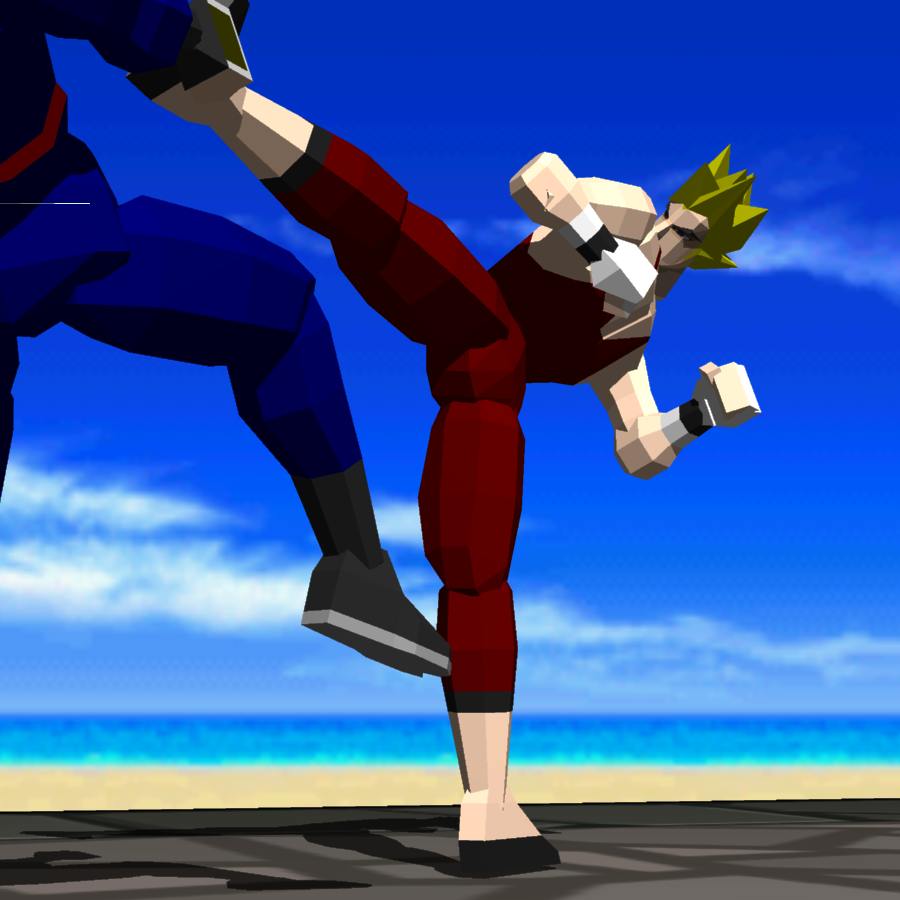
Utilizes "Jeet Kune Do" in his effort to investigate the mysterious race car accident that left him injured. A tournament win will prove that he has fully recovered.
Interestingly Enough...
 Akira, the unofficial posterboy of the series, was the last character to be added to the game. He was a late replacement for Siba (aka Shiba), a middle-eastern fighter who would later appear as an unlockable character in Fighters Megamix. Judging by the FMM version, Siba didn't make it very far into development, having only a handful of moves. Oddly enough, arcade versions of Virtua Fighter still displayed Siba on the outside art and even a few screenshots of the character were released.

- An original Virtua Fighter arcade machine sits in the Smithsonian Museum as a testament to 3D graphics.
- While in China doing research for Virtua Fighter, Yu Suzuki met with a master of Hakkyokuken, the techniques used by Akira in the game. During the visit, there was quite a bit of customary drinking as the two parties greeted each other. Later on, during a demonstration, the inebriated master's punches went further than expected, striking Suzuki in the gut. At this point, Suzuki fell to the ground head first, leaving the scar on the left side of his head. (https://games.kikizo.com/features/sega_yu_suzuki_iv_feb06_p4.asp)

You Look Familiar...
Most of the original Virtua Fighter cast were based on prominent characters from other media and the occasional real-life martial artist.
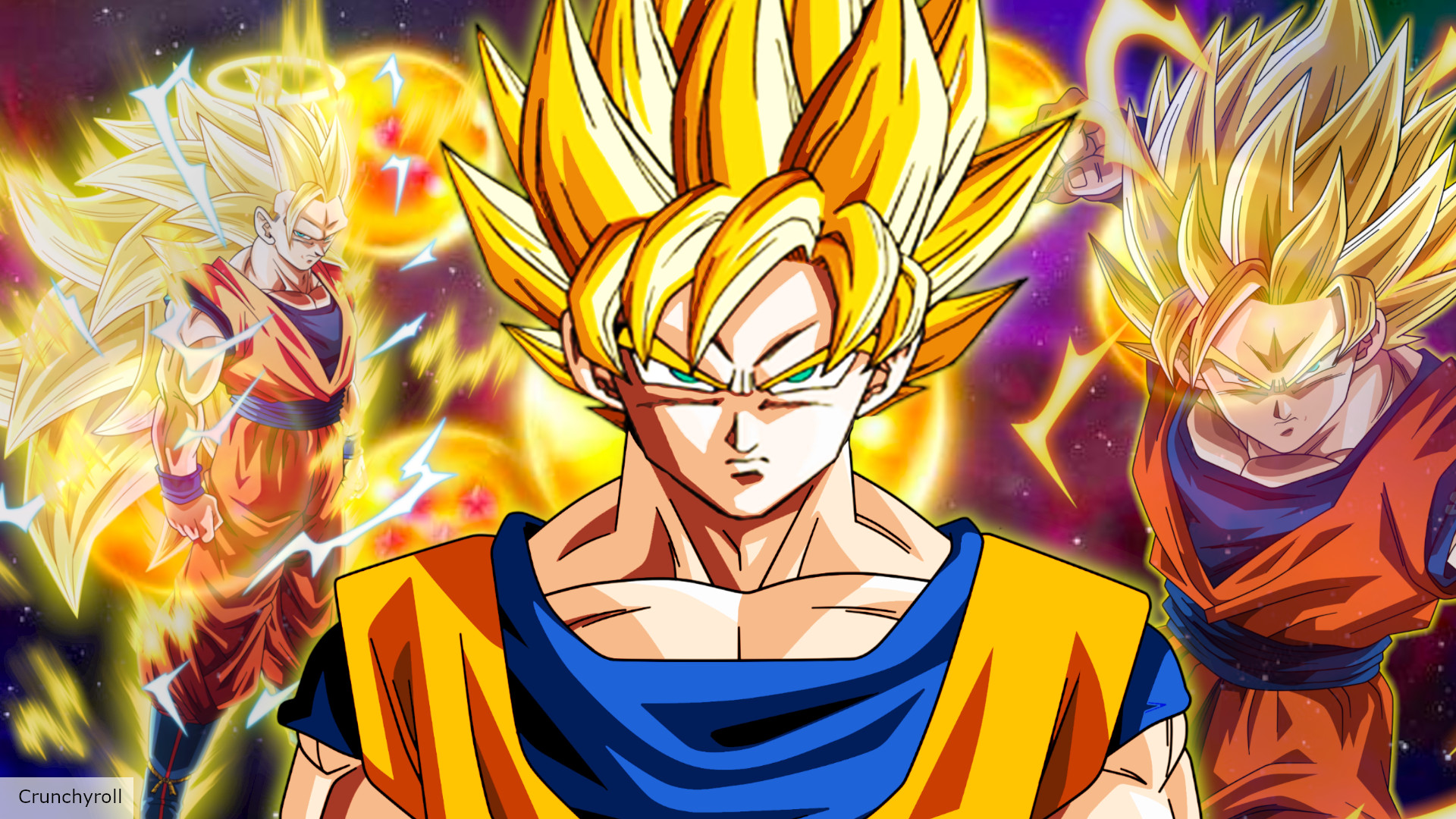 | Jacky Jacky's looks come from Dragon Ball's Super Saiyan while his martial art (Jeet Kune Do) and moveset come from Bruce Lee. The name, of course, is Jackie Chan. |
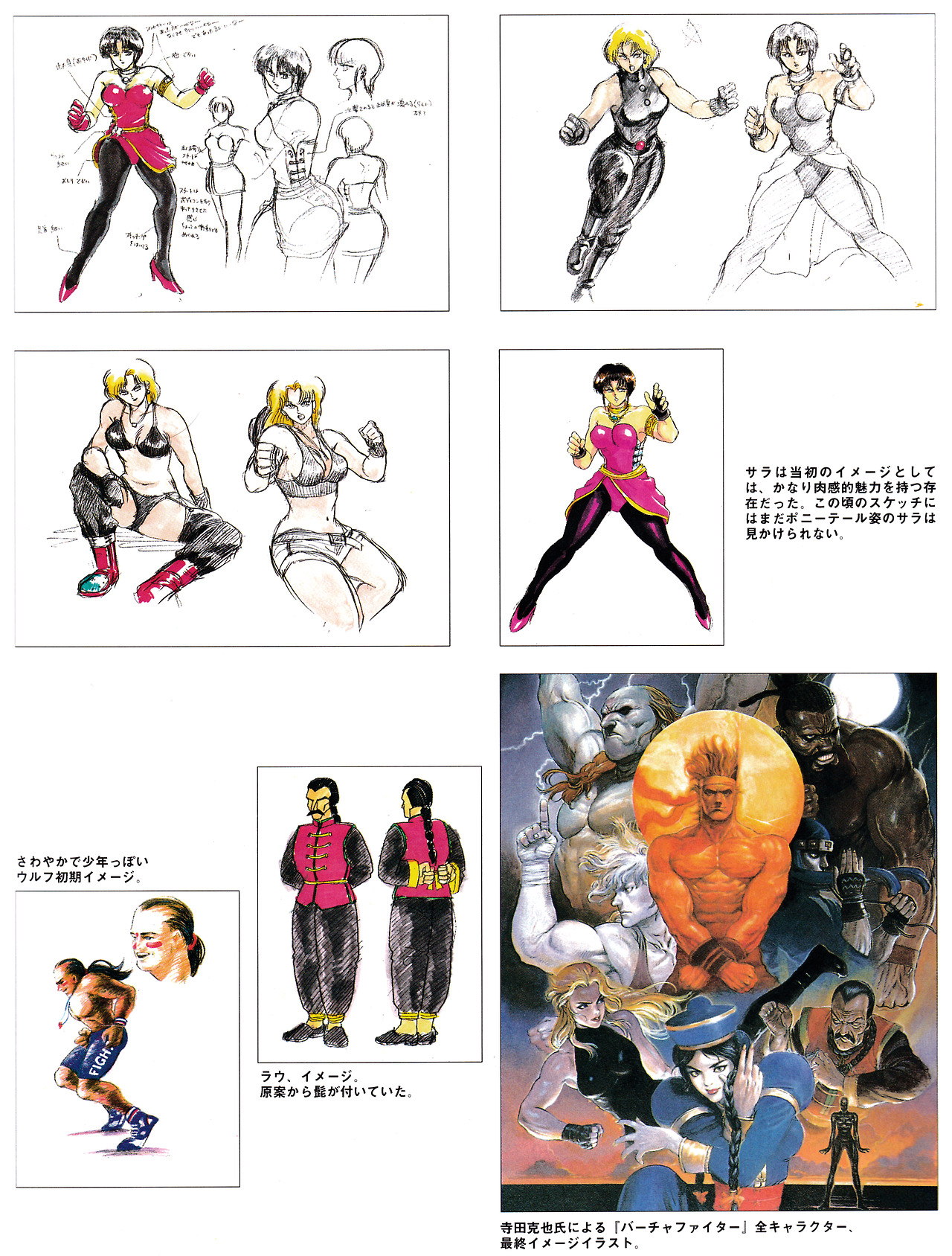
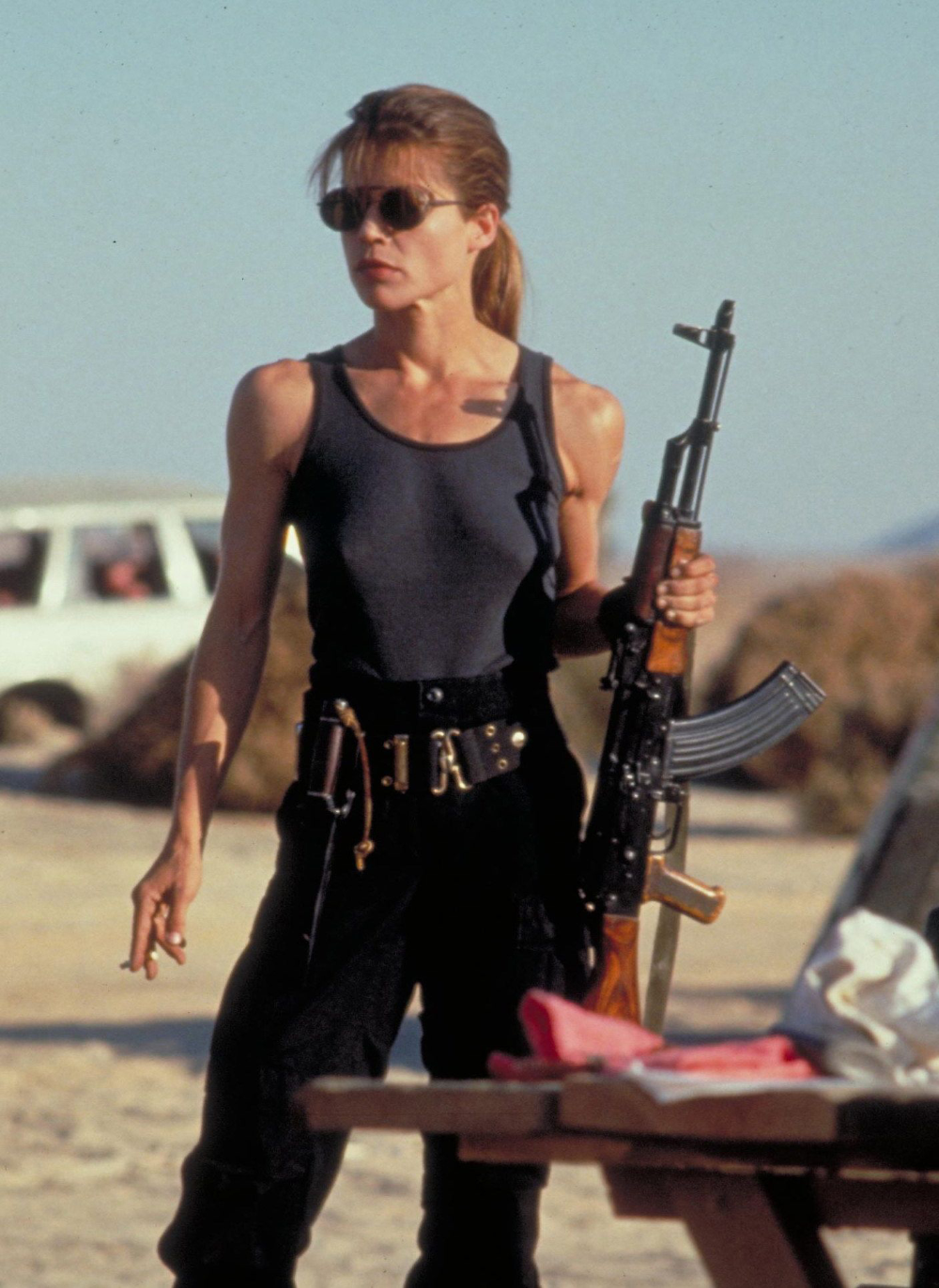 | Sarah - Both Sarah's name and looks are based on Sarah Connor from The Terminator, played by Linda Hamilton. As with Jacky, her Jeet Kune Do moves are from Bruce Lee. |
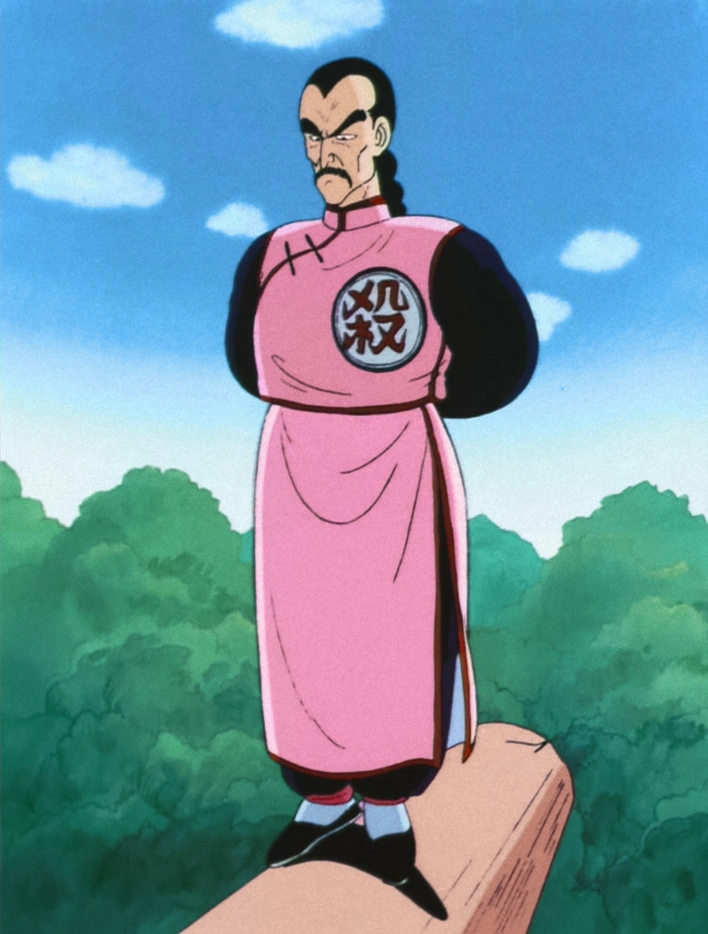 | Lau - Tao Pai from Dragon Ball |
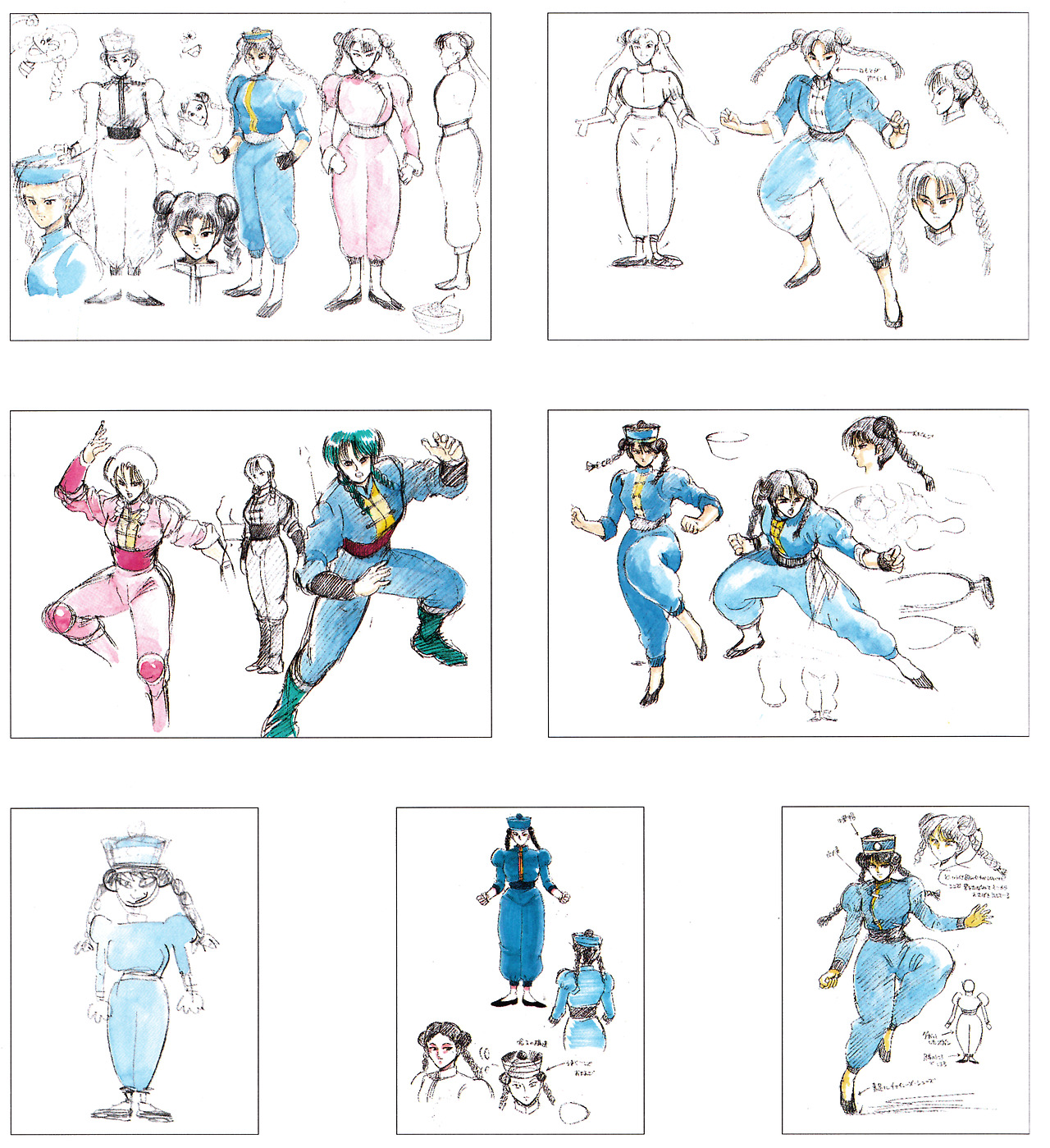
| Pai - Since Lau was originally nicknamed Tao, his daughter had to be Pai. Her design was based on a model from a tea commercial. |
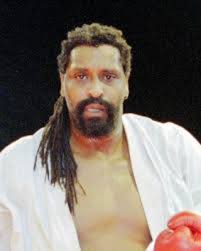 | Jeffrey - Originally named "Willy," Jeffrey is based on karateka and RINGS competitor "The Bear Killer" Willie Williams. American Williams was notable as one of the few early non-Japanese challengers in the World Open Karate Championship. The name Jeffery was originally to be used for another character, based on a SEGA developer that was a former marine. |
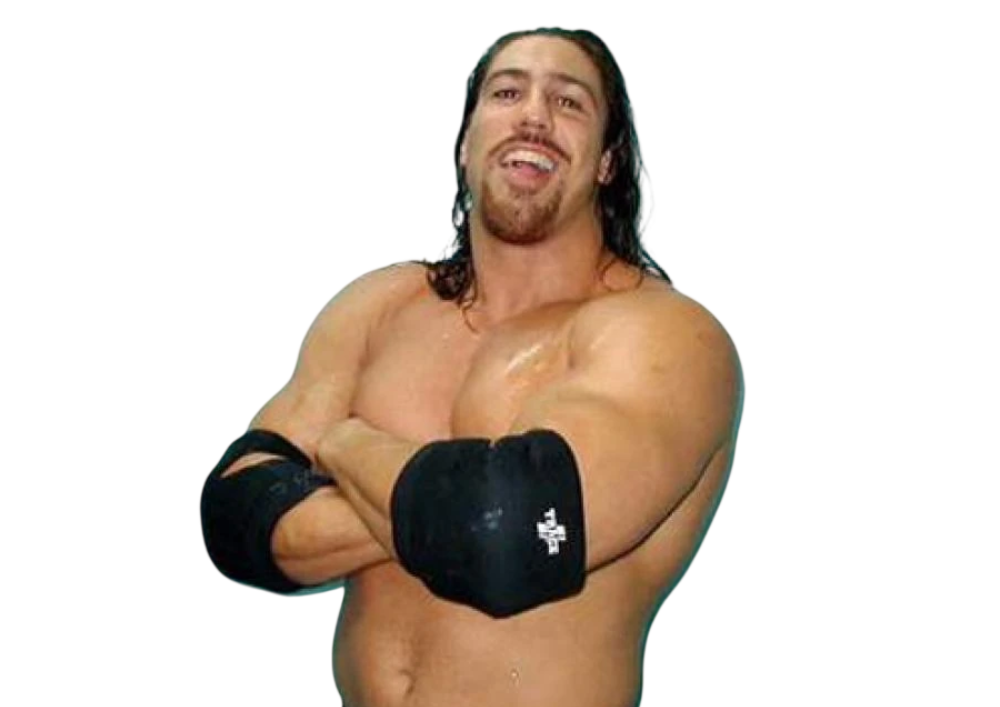 | Wolf - Chosen from five ideas that a new designer had come up with overnight. (Wolf seems to be based on a generic pro wrestler with red face makeup. By my eyes, I'd say a cross between the ubiquitous Hulk Hogan and the Ultimate Warrior.) In 1997, wrestler Jim Steele (pictured) would use the ring name Wolf Hawkfield in a Virtua Fighter tie-in with All Japan Pro Wrestling. |
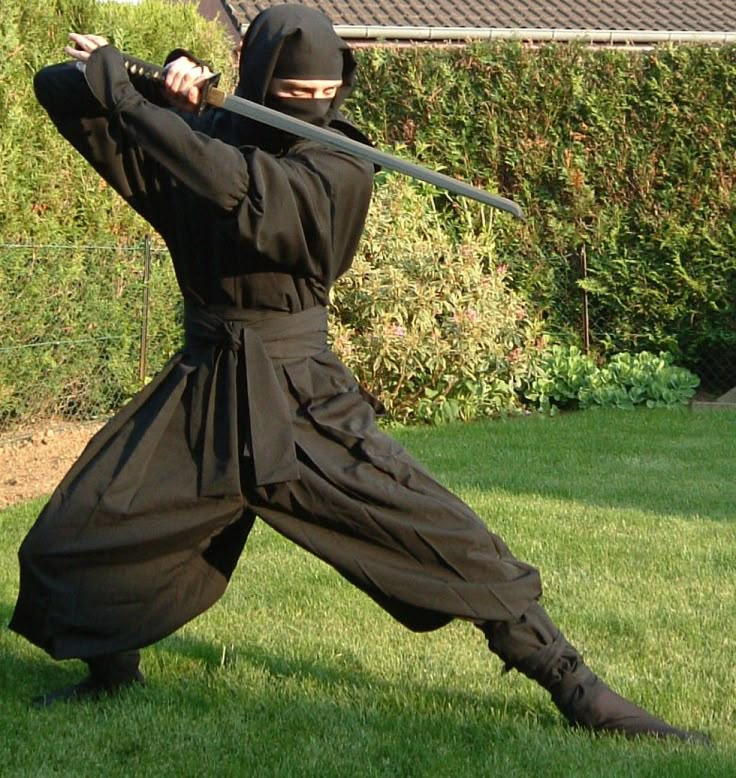 | Kage - Simply a classic ninja; originally named Hattori. |
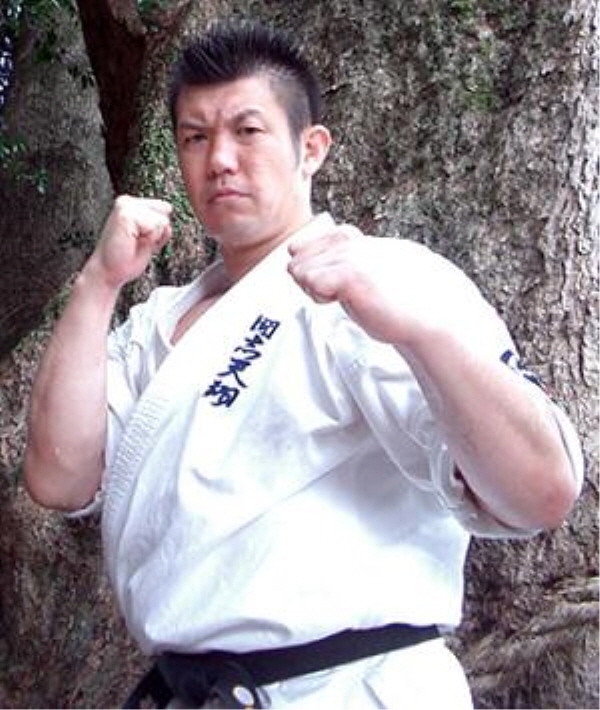 | Akira - Based on Masaaki Satake, a then active karateka and K1 fighter. (By the way, see a young Satake and aged Willie Williams match here as a real-life "Akira vs Jeffrey." Later Satake would make several appearances in Japanese MMA promotion PRIDE. (PRIDE never die!) Akira's Hakkyokuken style is based on Bajiquan, and was influenced by the manga Kenji that helped popular this martial arts style in Japan. |
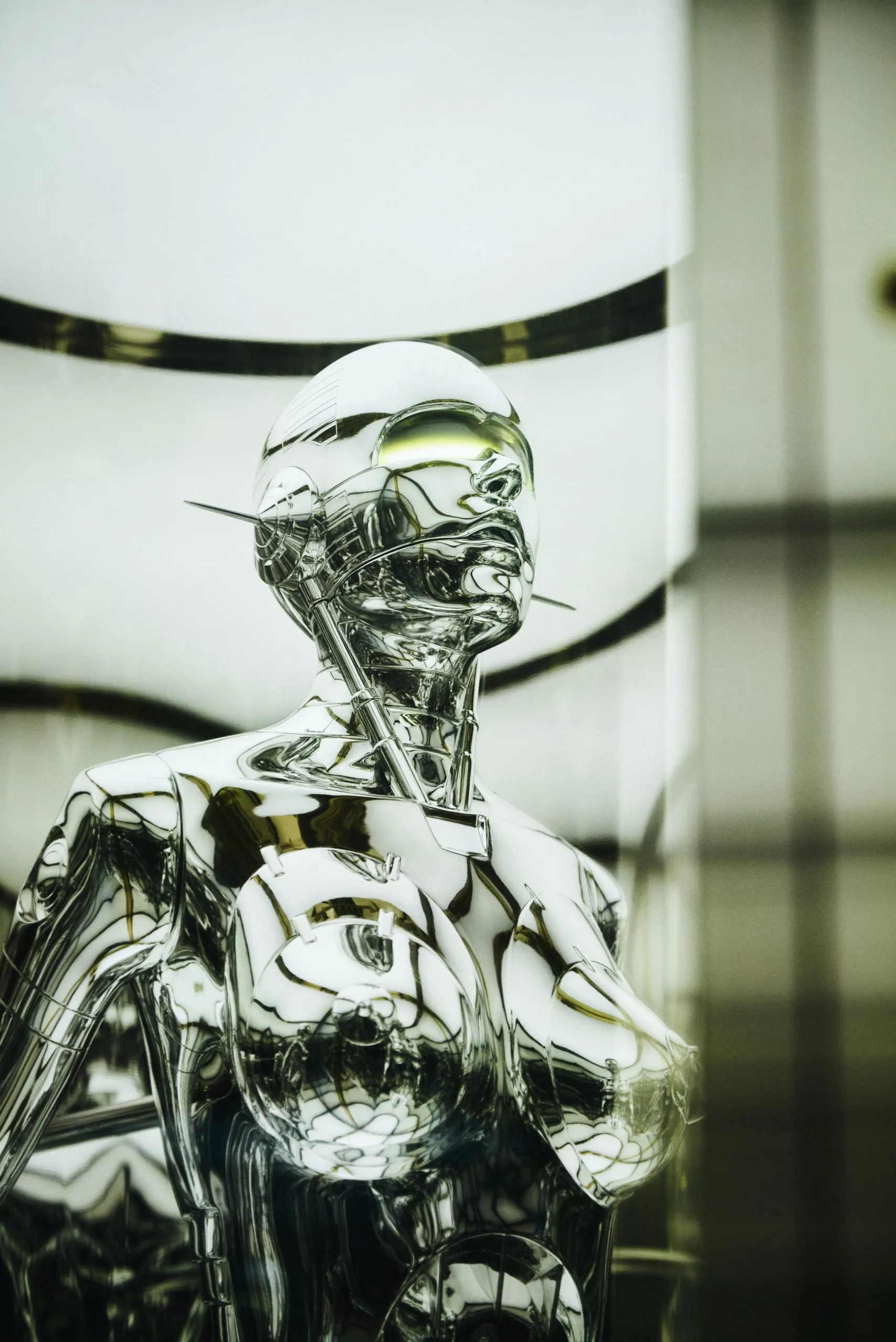 | Dural - The name comes from Duke Duralumin, the antagonish of the anime Princess Knight. The character was created to use as many polygons as possible for her classic blocky looks. (Some have noted Dural, particularly later iterations, appears similar to the robots in the works of artist Hajime Sorayama. Particularly in Virtua Fighter 3 previews, the liquid appearance of a molten Dural forming a human shape is very reminiscent of the T-1000 of Terminator 2: Judgment Day.) |
Development
Virtua Fighter as we know it was officially born on December 24, 1992. In the earliest running demos, two characters (known simply as red fighter and blue fighter) competed as the game ran on top-of-the-line (and expensive) Silicon Graphics hardware. SoftImage was used for motion data.
As the game progressed, several new characters were created, iterated and modified. Originally, the game would have 3D backgrounds, but these were removed to make more detailed, higher-polygon characters. Interestingly, Lau was an early design that remained almost unchanged in his final appearance, while Akira was a late addition to the game.
There were several location tests before the final Virtua Fighter was released. Amongst the first was in August of 1993 in which Siba was included, but no Akira.
At one point, a barcode scanner version of the game was tested. In it players, would scan barcodes from everyday items to power attacks in the game. There were other experiments in controls before settling on the classic 3-button layout. In fact, one document shows 30+ buttons that would be used to simulating a "swiping" motion done by players. Fortunately, these neither of these systems made it to the final game.
Protagonist Akira was a relatively late addition to the game. He replaced Siba about a month before the game was released.
Virtua Fighter was officially released in October of 1993.
Several images and videos of early, pre-release Virtua Fighter are shown below. Most of the information comes from Virtua Fighter: The Beginning, Virtua Fighter 2 Maniax, and The Cutting Room Floor. Read more about Virtua Fighter's development at Sega Retro.
Pre-release Visuals
Here's a look at Virtua Fighters, an early version of the game with 3D backgrounds and lower-polygon characters. The original video comes from Virtua Fighter: The Beginning.
Below, take a look at several images from Virtua Fighter's early development.
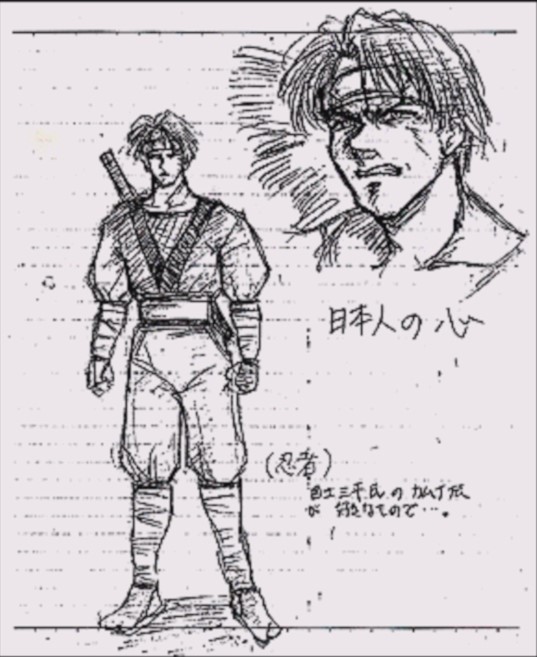 | An early sketch of a ninja, which would eventually become Kage. Though early Virtua Figher seems to slant towards Chinese martial heres, here is proof that Japanese fighters were meant to be represented in the game since the beginning. |
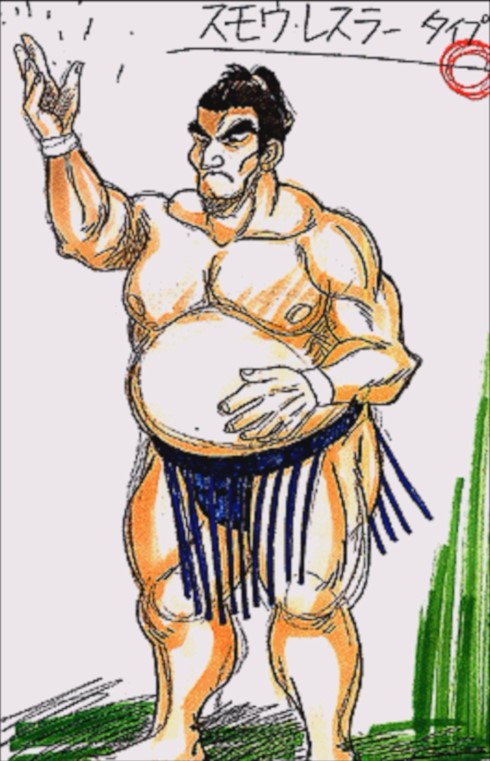 | A sumo character was considered for Virtua Fighter 1, but the Model 1 technology was unable to handle it. |
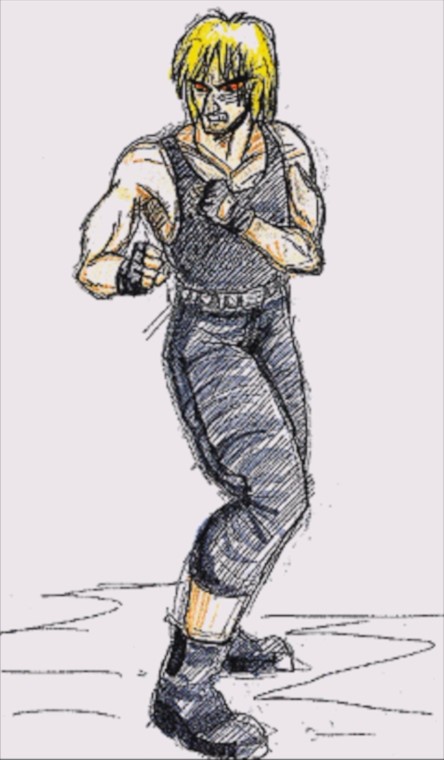 | The original model of Jacky. Blonde hair and a tight wardrobe were already key traits. |
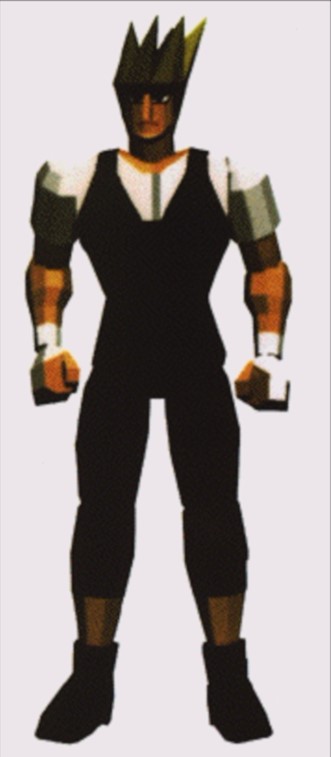 | Another evolution of Jacky. |
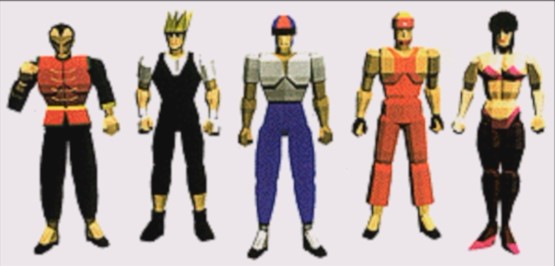 | Early characters, including Lau, Jacky, Red Fighter and Blue Fighter, as well as Aneko (big sister) - an early version of Sarah. |
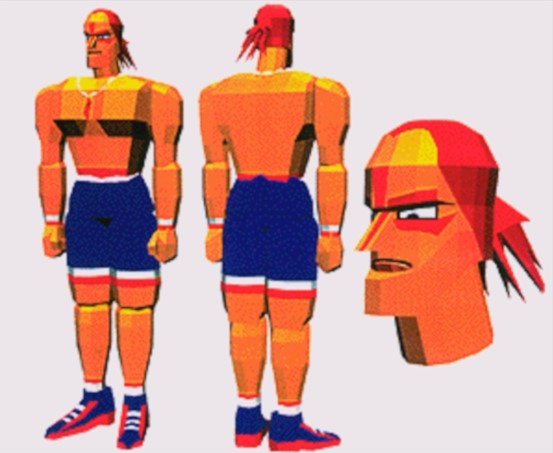 | A nearly-final Wolf with an underbite. |
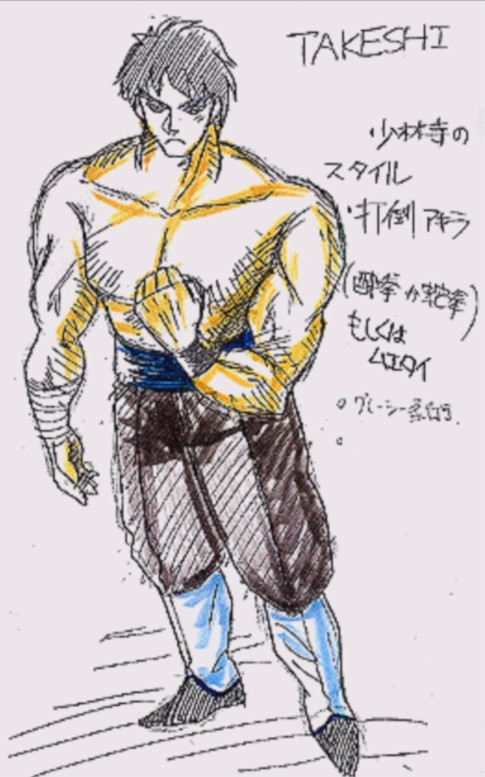 | Takeshi - a mid boss that may have used drunken kung fu. Notes state "Defeat Akira" and suggests other martial arts such as Muay Thai and Gracie Jujitsu (aka BJJ). |
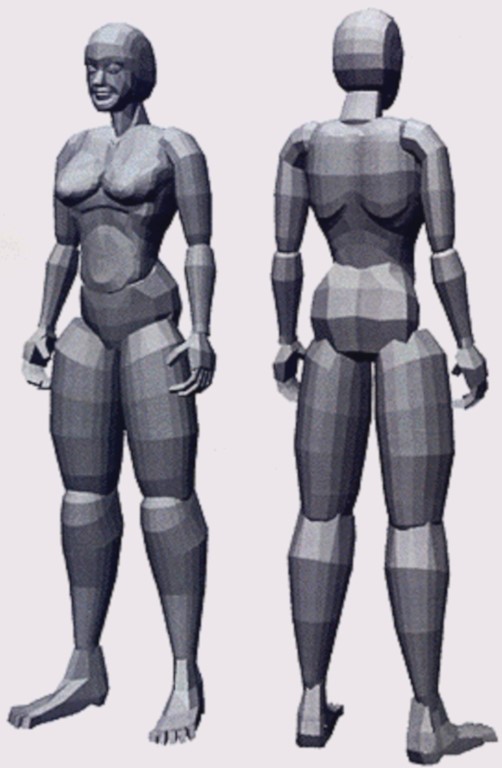 | Prototype Dural |
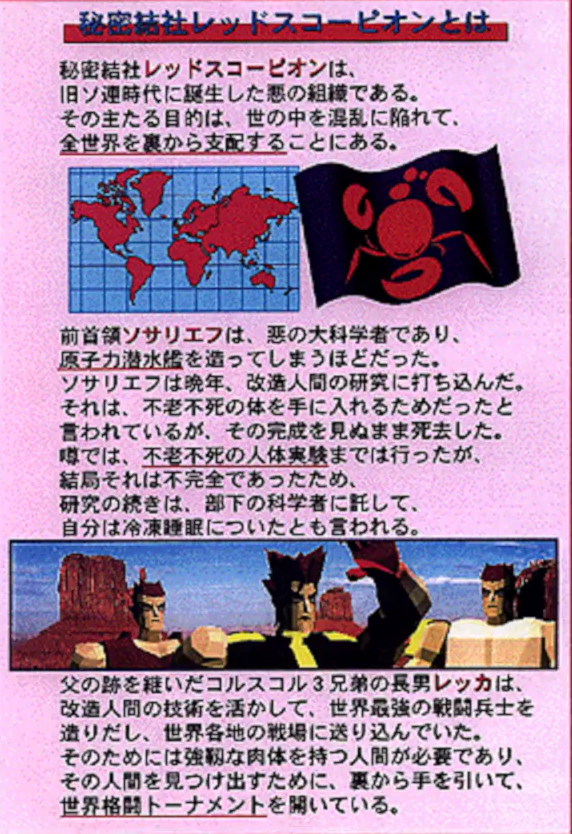 | An early plot of Virtua Fighter. Mid-bosses and this story were dropped as being "too cliche," although it is similar to the final J6 plotline. "The secret society Red Scorpion is an evil organization that originated during the Soviet era. Its primary objective is to throw the world into chaos and secretly control the entire world. "The former leader, Sosaliev, was a great evil scientist who even built a nuclear submarine. In his later years, Sosaliev devoted himself to the study of cyborgs. It is said that he did so in order to obtain an immortal body, but he died before seeing its completion. Rumor has it that he did conduct human experiments to achieve immortality, but since it was ultimately incomplete, he entrusted the rest of the research to his subordinate scientists and went into cryogenic sleep. "Rekka, the eldest of the three Korskol brothers who succeeded his father, was using cyborg technology to create the world's strongest combat soldiers and send them to battlefields around the world. To do this, he needed people with strong bodies, and in order to find such people, he was secretly running the World Fighting Tournament." |
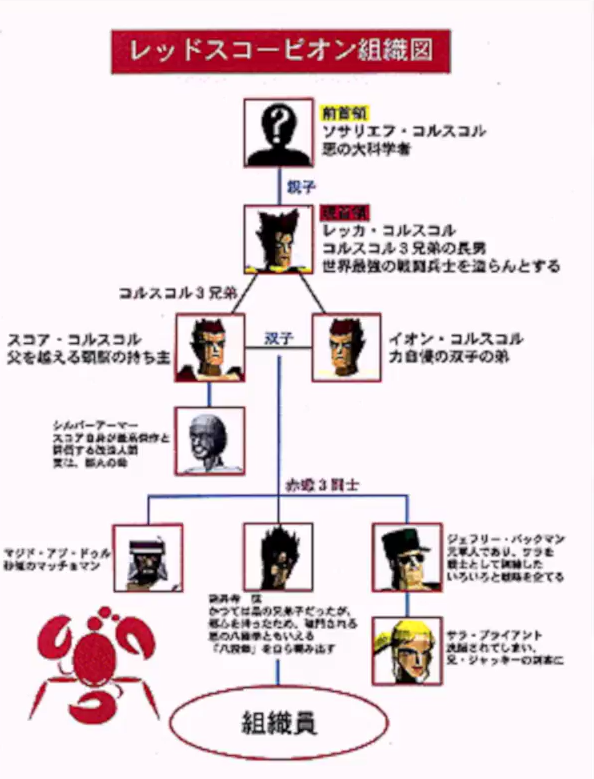 | Sosaliev Korskol, an evil scientist is at the top of the chart. Rekka, oldest of the Korskol brothers is directly beneath him. Twins Score (left) and Aeon/Ion (right) are below. We see that Dural is beneath Score. It appears that the early Jeffery character brainwashed Sarah. The bottom red characters (Siba, Jeff) were going to be mid-bosses. Concepts like Sarah's brainwashing and Dural being Kage's mother were already here. |
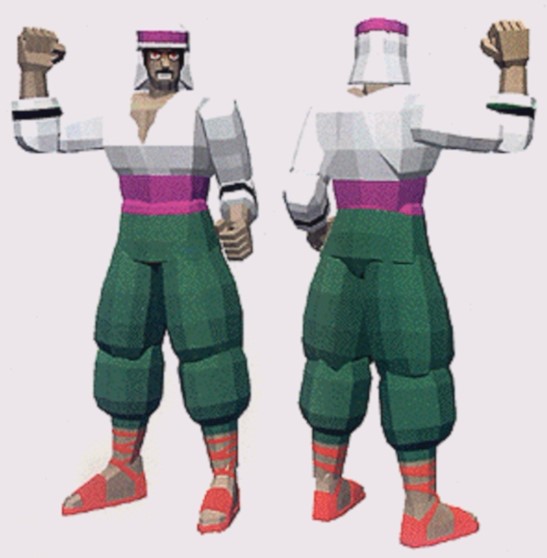 | Majid Abdul, aka Shiba aka Siba. Removed to due poor performance in location tests. Had no distinct moves, so maybe that's why he was unpopular? |
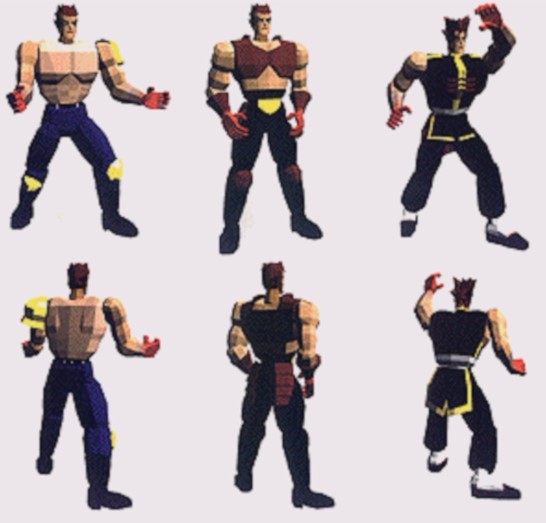 | The Koskol brothers: Potential final game bosses. |
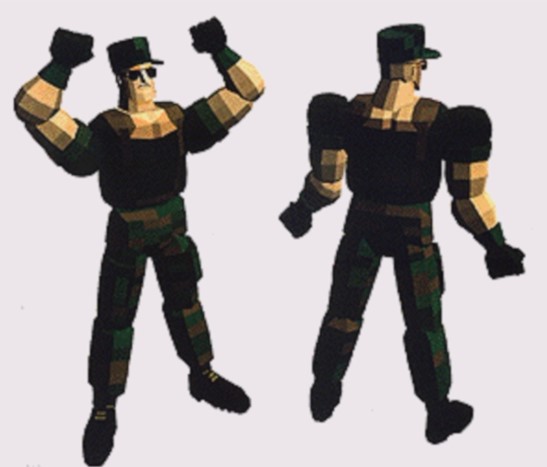 | Jeff Buckman - Based on a former marine that became a designer at Sega. The muscle-bound employee was modeled and put in the game. Though the character would be scrapped, "Willy" would be renamed to Jeffrey in his honor. |
Below: an evolution of characters. From left to right:
- Blue fighter, modeled with around 100 polygons. This test character would be used for running Virtua Fighter on Silicon Graphics machines.
- Red fighter - not meant to be in the game; created strictly for training purposes; modeled with 600 polygons.
- Not Akira. This model was created to test a character wearing a gi with 600 polygons.
- Near final Akira, using approximately 2000 polygons; created to be the main protagonist, replacing Jacky and Sarah in this role.
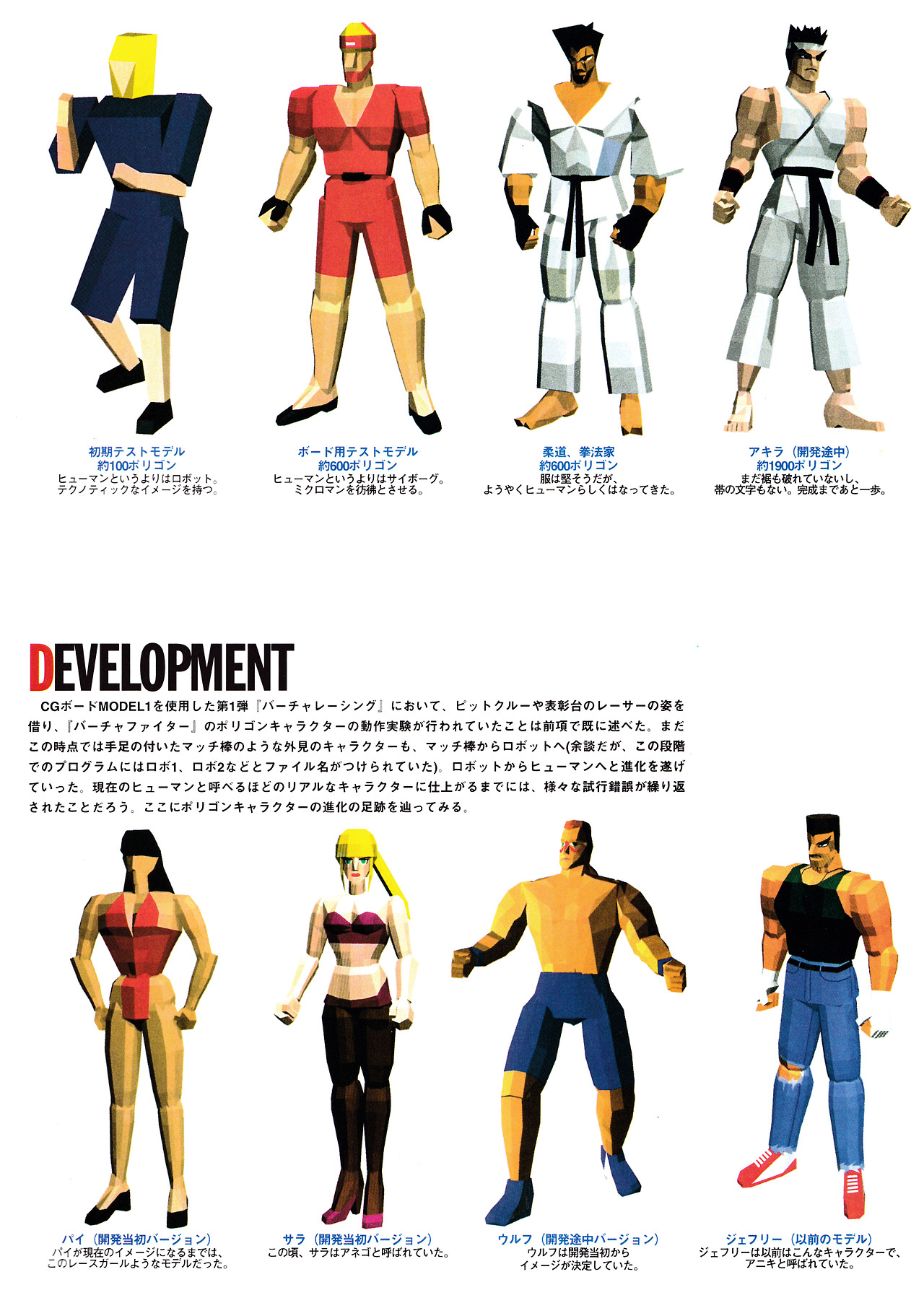
In the image below, we see more early characters.
- An original low-poly model. Originally, there were to be 3D backgrounds and thus a lower-poly count was needed for characters. The outfit suggests that this was an evolution from the humans in Virtua Racing. (This image's caption suggests this is Pai. However, VF: The Beginning states that is an early Sarah.)
- The second image is another iteration of Sarah that would become the basis of the 2P costume.
- An early Wolf.
- An early Jeffrey. Originally, the character was nicknamed Aniki (big brother).
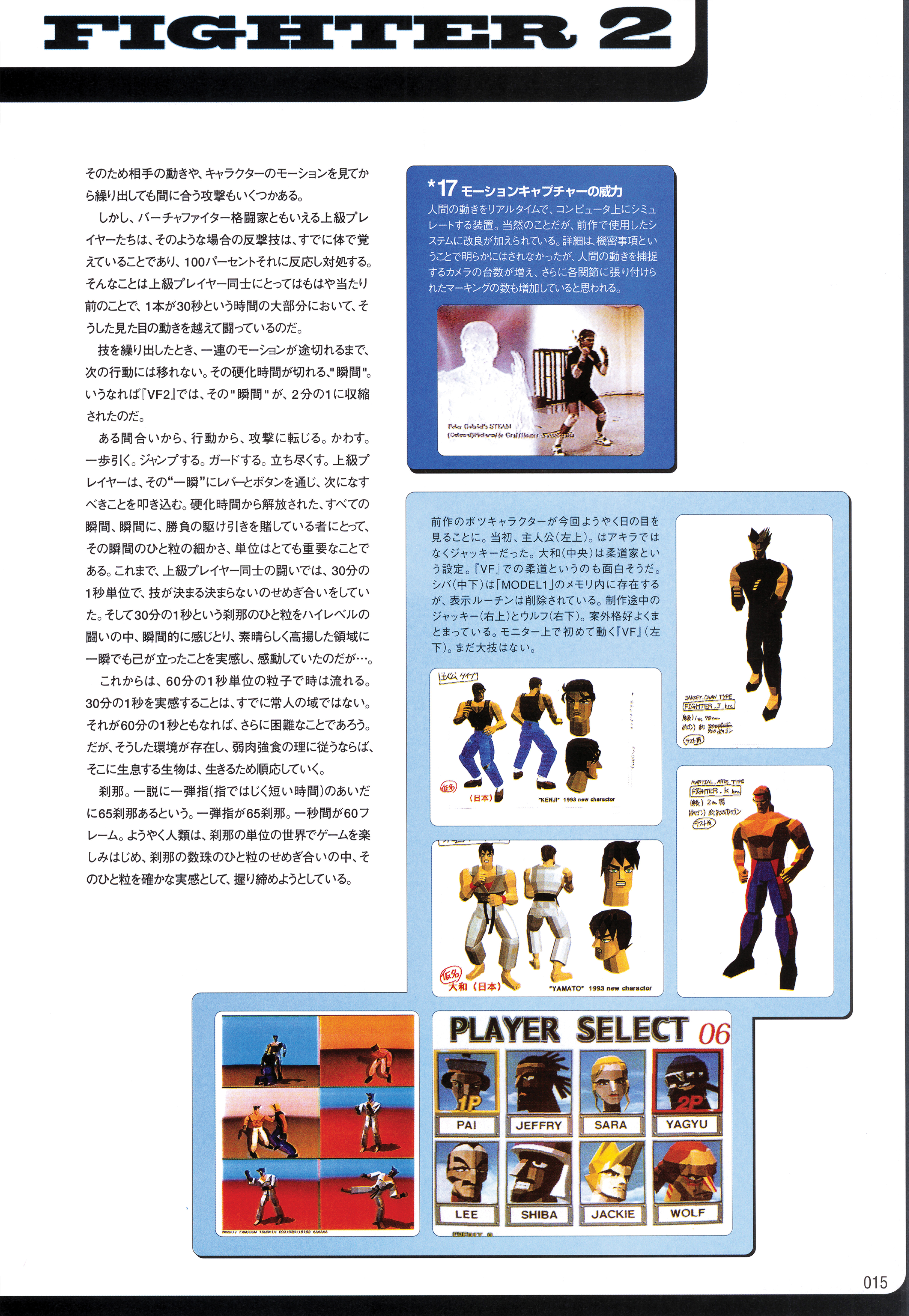
Below, from top to bottom:
- Another early Jacky
- Kenji, an attempt at a protagonist character. (The hair!) Born in Japan.
- Prototype Wolf - the K indicates he was the 11th character developed
- Concepts for Yamato, who would have been a judo practitioner.
Below: A mock-up video was created to show what a 3D fighting game might look like.
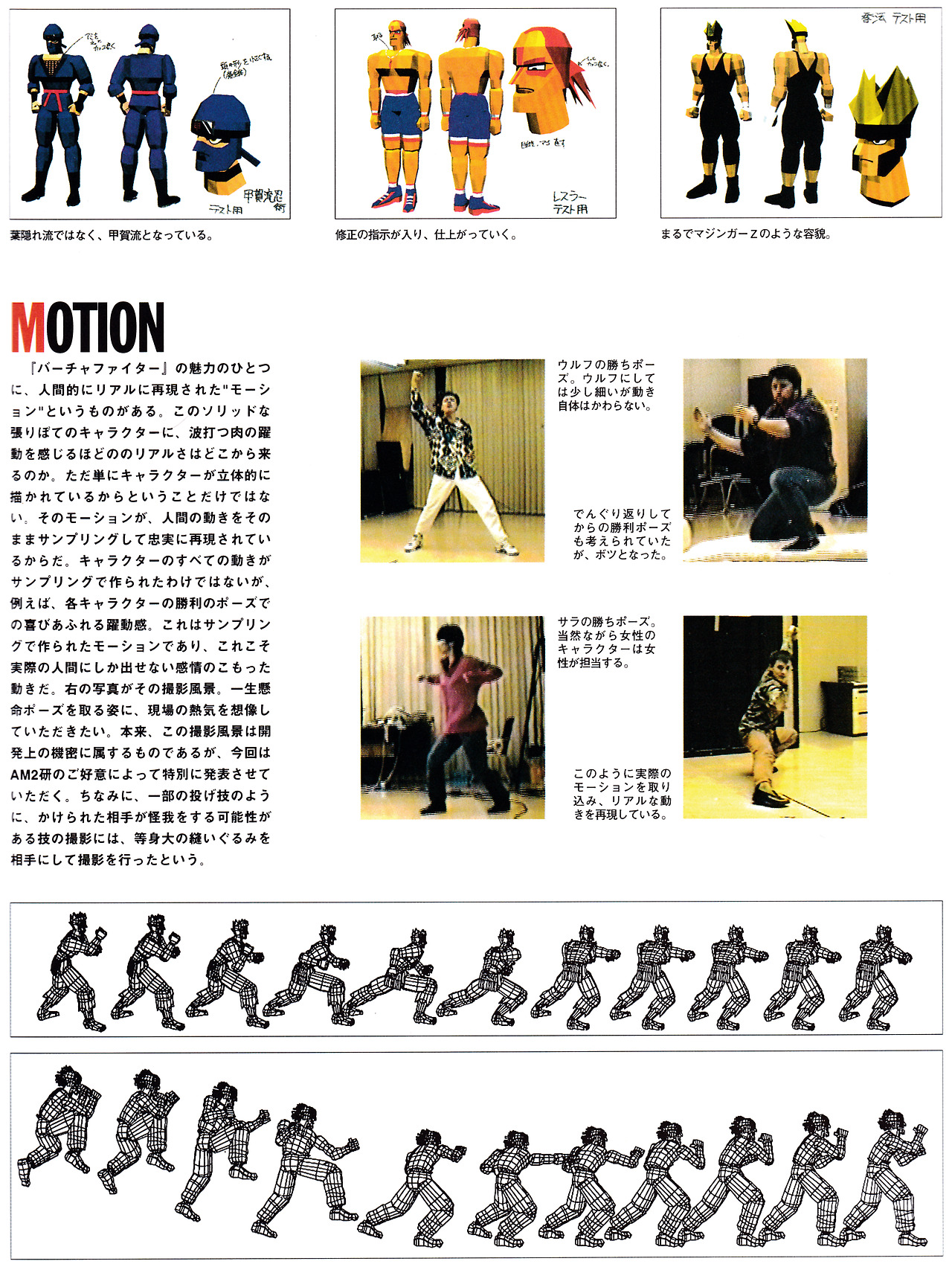
Below: Early Kage, Wolf, and Jacky with revision notes. Note Jacky's early outfit was black, matching Sarah.
Below: Pai original illustrations. After the sketches were approved, 3D modeling began. Click the image for more.
Below: Early Sarah sketches and illustrations. Click the image for more.
Below: Original Wolf and Lau concept art.
Below: See early Virtua Fighter tech videos. This video was part of a bonus Virtua Fighter 4 History disc included with Japanese release of Shenmue 2. It starts by showing early human characters in Virtua Fighter one, "Dynamix material," what looks to be early CG mockups of Virtua Fighter, then polygon tests. (I belive the polygon tests may have been for the Saturn version of the game. In the Saturn version, they kept adjust the number of polygons until performance was acceptable.)
The Dreamcast's Virtua Fighter 3tb release included a Virtua Fighter history video. You can see animation tests in it below.
Hidden In Plain Sight
Many remnants of earlier builds and unreleased features lurk within the original arcade Virtua Fighter code, including extra sounds, different character select screens, hints of a tournament mode, and data for several unused characters (which can be accessed via cheats within MAME). Images and information below courtesy of The Cutting Room Floor.
Prototype Characters
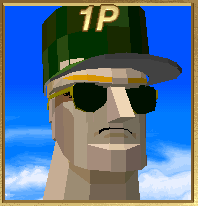 Jeffery Buckman
Country: America
Age: 32
Sex: Male
Job: U.S. Marine
Blood Type: O
Hobby: Fighting
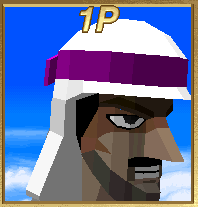 Majido Ab Dul
Country: Saudi Arabia
Age: 31
Sex: Male
Job: Bouncer
Blood Type: O
Hobby: Cooking
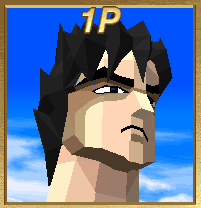 Takeru Ryushoji
Country: Japan
Age: 22
Sex: Male
Job: College Student
Blood Type: O
Hobby: KARATE
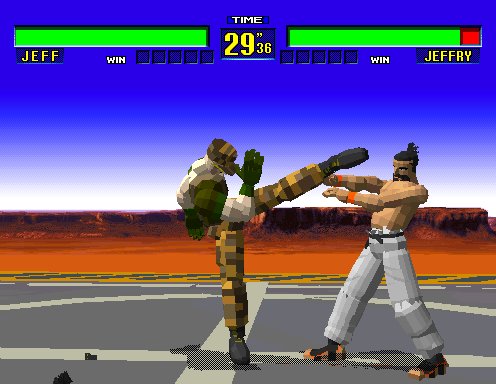
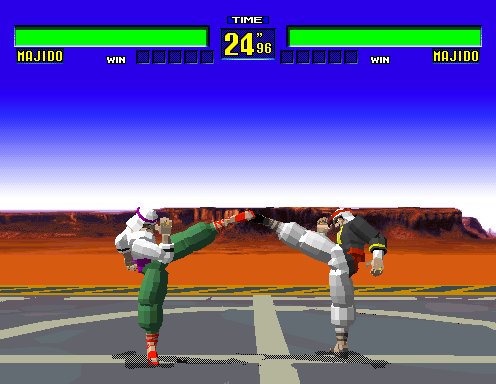
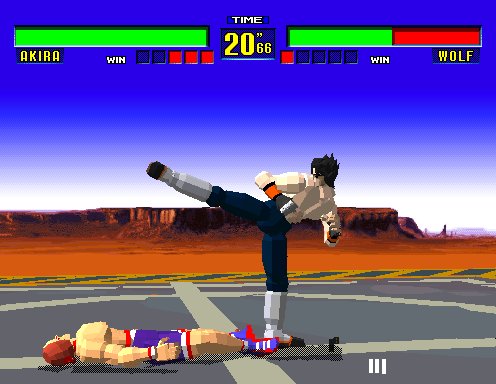
Jeff, Majido (Siba), and Takeru (early Akira) in game.
Alternate character select profile exist for Akira, Lau, and Jeffrey, with their names listed as Akira Ryuzaki (sounds a little like Ryo Hazuki...), Tao Chan, and Willie Roberts, respectively.
Prototype Bosses
Based on the design documents above, several bosses of the evil Red Dragon (eventually J6) were planned. In fact, Dural seemed to be fairly low in the grand sheme of it all. Some of those characters are also hidden in the code, albeit with a limited move set.
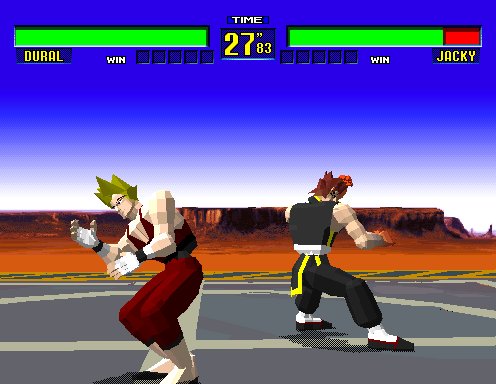
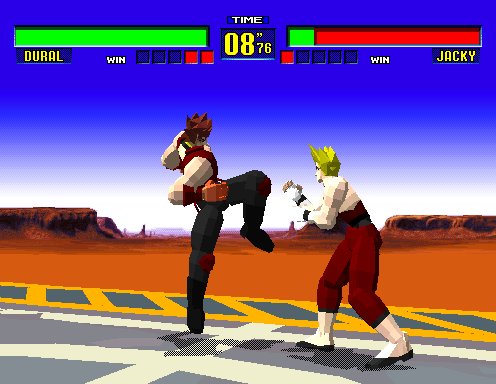
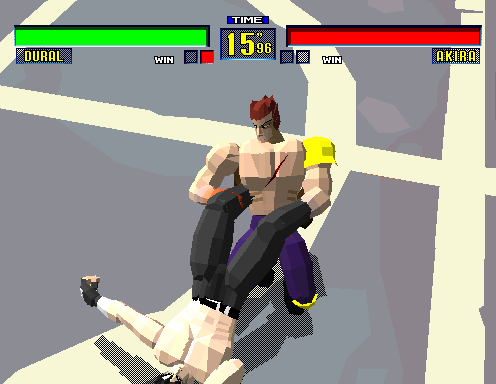
Potential bosses Rekka, Score, and Aeon (Ion?)
Media


Codes
The following codes work on the arcade version of Virtua Fighter
- Display Credits - During the game demonstration, hold Start to display credits.
- Make Sarah Miss - During the introduction sequence, start circling the joysticks anywhere from 2-5 times. This can cause Kage to roll and Sarah will miss her kick.
Links and Sources
Virtua Fighter: The beginning is an incredible look at early development of this game. It was originally released for Macintosh systems and contains game history, sounds, movies, and more.
Storytellers of Video Games Part 2: The Life of Seiichi Ishii Embodied in the Prototype of "Virtua Fighter" - I think the title gives it a way, but here's an in-depth interview with Seiichi Ishii, the main designer of the Virtua Fighter arcade game. Ishii would later go on to work on 3D fighting series Tekken and Tobal No. 1.
SEGA Forever on Twitter - Character images come from SEGA's awesome archive of classic games.
Virtua Fighter (Arcade) - The Cutting Room Floor - Early characters and sounds that still remain in the code of the original arcade game.
Pre-Release Virtua Fighter (Arcade) - The Cutting Room Floor - Pre-release footage, promotion packages, design documents, and more for Virtua Fighter.
Videogames Densetsu - Pictures from the Virtua Fighter Maniax book detailing early design sketches and character models.
Virtua Fighter/Development - Sega Retro - Read more about the development of Virtua Fighter here. There's now way that I can keep up with the combined knowledge of the Sonic and Sega fans that contribute the amazing Sega Retro wiki.
Virtua Fighter 2 Maniax - Internet Archive - Page 15 contains early Virtua Fighter screenshots.
Virtua Fighter 3 - Famitsu Special Edition - Internet Archive - The "The X Files of Virtua Fighter 3" chapter covers the development of Virtua Fighter 3.
Latest update: 6/21/2026
Created: 12/01/2008